Endodontics 101: What Really Happens During a Root Canal
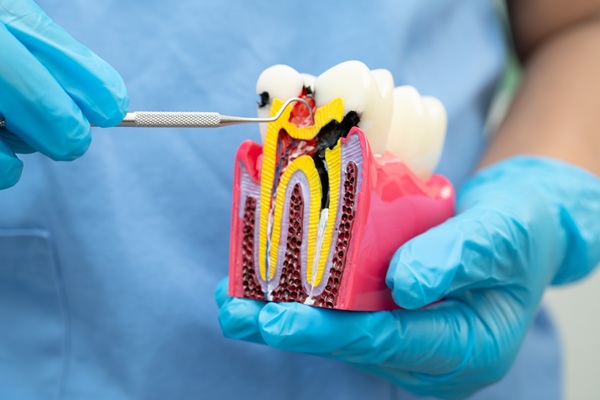
Root canal treatment often sounds intimidating, yet endodontics focuses on relieving pain and saving natural teeth with precise, evidence-based techniques. An endodontist specializes in diagnosing tooth pain and treating the soft tissue within the tooth. When deep decay, cracks, or prior dental work inflame the pulp, bacteria gain access and create significant discomfort. A root canal addresses that infection at its source, restores function, and prevents future complications. The procedure follows a clear sequence that prioritizes comfort, infection control, and long-term stability.
When a root canal becomes the right choice
Persistent sensitivity to heat or cold, spontaneous throbbing, tenderness to chewing, and swelling often signal pulp inflammation or infection. Dental imaging reveals deep decay, fractures, or previous restorations that approach the pulp chamber. Without timely care, infection can spread through the root and into the surrounding bone, risking abscess formation and tooth loss. By intervening early, an endodontist preserves the tooth’s structure, maintains bite alignment, and prevents the cascade of problems associated with extractions.
Step-by-step: what to expect during treatment
A root canal moves through predictable phases that the endodontist explains before beginning:
- Examination and imaging: The endodontist evaluates symptoms, tests the tooth and adjacent tissues, and confirms the diagnosis using radiographs or a cone-beam CT scan.
- Comfort and isolation: Profound local anesthesia ensures both comfort and isolation. A rubber dam isolates the tooth to maintain a sterile field and protect the airway.
- Access and cleaning: A small opening in the crown leads to the pulp chamber. The endodontist locates each canal and removes inflamed or infected tissue within it.
- Shaping and disinfection: Specialized instruments shape canals to receive a three-dimensional seal. Antimicrobial irrigants and activation techniques disrupt biofilm and sanitize the complex canal anatomy.
- Sealing the system: The endodontist dries the canals and fills them with biocompatible materials that block bacterial reentry.
- Restoration plan: A temporary or permanent filling closes the access. Most posterior teeth benefit from a full-coverage crown to protect against fracture and restore normal function.
Why precision matters in endodontics
Root canal anatomy often includes fins, lateral canals, and curves that demand meticulous technique. Advanced imaging helps map that complexity, while modern nickel-titanium files shape canals efficiently and conservatively. Irrigation protocols utilize proven solutions and agitation methods to reach areas that instruments cannot access. This level of precision characterizes endodontics and directly influences treatment predictability. Meticulous length control, sterile technique, and three-dimensional obturation support long-term success and reduce the risk of reinfection.
Comfort, technology, and safety
Anesthesia delivers profound numbness, and most patients report comfort throughout the appointment. Operating microscopes magnify internal structures, improving accuracy in locating canals and identifying cracks. Digital sensors lower radiation exposure while providing high-resolution images. Gentle techniques and careful bite assessment reduce postoperative soreness. For anxious patients, additional options such as oral sedation or nitrous oxide may enhance relaxation. The clinical team adheres to rigorous infection-control protocols that safeguard both patients and healthcare providers.
Aftercare and recovery
Mild tenderness may occur after a root canal as the tissues recover, especially when chewing or tapping on the treated tooth. Over-the-counter anti-inflammatory medication usually manages symptoms effectively, and most patients resume normal routines the same day. A soft diet for twenty-four hours helps prevent biting discomfort. The endodontist advises avoiding hard foods until the final crown or permanent restoration is in place, which will protect the tooth. Follow the restoration timeline closely; delaying the crown increases the risk of fracture. Scheduled checkups and periodic imaging verify healing and ensure durable results.
How to protect a treated tooth
Long-term success depends on daily habits and consistent professional care. Brush your teeth twice a day with a fluoride toothpaste and clean between them to control plaque. Consider a custom bite guard if nighttime grinding or clenching puts stress on your dental work. Keep regular dental visits for professional cleanings and examinations; periodic imaging helps confirm continued healing around the root. Address chips, loosened crowns, or new discomfort promptly to prevent bacterial leakage and reinfection.
The bottom line
Root canal treatment removes infection, relieves pain, and preserves natural tooth structure with a methodical, patient-centered approach. Endodontics unites advanced diagnostics, precise instrumentation, and biocompatible materials to seal the canal system and restore function. With timely care and a protective restoration, the treated tooth can serve comfortably for many years. For more information or to schedule an appointment, call our office at (559) 447-5454.
To schedule a consultation, please request an appointment on our website at https://professionaldentalcare.net/ or call Professional Dental Care at (559) 447-5454 to arrange an appointment at our Fresno office.
Check out what others are saying about our dental services on Yelp: Endodontics in Fresno, CA.
Related Posts
Have you lost one or more teeth and are you looking for options for replacing missing teeth? Read on to learn about available treatments. For many people, replacing missing teeth is more about their smile's appearance than anything else. Tooth loss, on the other hand, is more than an aesthetic problem. Losing one or more…
Are you looking into your options for replacing missing teeth? Fortunately, there are various options for replacing missing teeth. This article covers these options, including their benefits and drawbacks. Replacing missing teeth after a tooth extraction is important for bone health since tooth loss results in a loss of bone density. Also, failing to get…
While clear braces can straighten teeth with brackets that blend more naturally with the smile, proper care helps keep them clean, comfortable, and effective. While these braces work much like traditional metal braces, their tooth-colored or ceramic brackets can show stains more easily when patients do not follow a strong oral hygiene routine. With daily…
Full mouth dental implants are a preferred option for replacing missing teeth teeth rather than getting dentures. Due to advancements in dental technology, it is now possible to replace all your teeth throughout your entire mouth with dental implants. Dental implants are an option that allows you to eat comfortably and smile with confidence. They…